2026-06-12
What we're covering
• SpaceX went public Friday, with shares trading at just above $150 in a hotly anticipated initial public offering that values Elon Musk’s rocket and AI company at $2 trillion.
• Musk celebrated the market debut Friday, jointly ringing the Nasdaq opening bell from SpaceX headquarters in Texas. He has now made history as the world’s first trillionaire.
• SpaceX, which Musk founded in 2002, sold 556 million shares Thursday at an initial price of $135 a share, the company confirmed, marking the biggest IPO in history. Friday’s market debut represents an 11% increase on that pricing.
A sign of what’s to come for AI

Some analysts view SpaceX’s historic public debut as a sign of what’s to come for the broader AI market. Here are some initial thoughts analysts shared leading up to and during SpaceX’s first day of trading:
- “…If these mega IPOs are well -received, many more companies are likely to ride the wave of investor enthusiasm by going public.” — Capital Economics, June 11
- “I think that a successful SpaceX IPO is generally a positive signal for broader investor interest in innovation and technology. It’s a reflection of the demand, interest, and desire to invest in these types of companies.” — Evan Schlossman, principal at SuRo Capital, June 12
- “Overall, SpaceX going public is an important moment for the broader tech sector in our view as this AI Revolution and data takes this next step forward.” — Dan Ives, global head of technology research at Wedbush Securities
But the three companies have fundamentally different paths to profitability and shouldn’t be compared directly, argues Nigel Green, CEO of financial consulting firm deVere Group.
“OpenAI is a bet on turning extraordinary consumer adoption into profits. Anthropic is a bet on enterprise AI becoming embedded across business,” he wrote this week. “SpaceX is a bet on Elon Musk continuing to achieve what critics say cannot be done.”
How to calculate SpaceX's market value
SpaceX became the sixth-largest publicly traded US company on Friday.
Here’s how to calculate SpaceX’s market value:
Stock price x total shares outstanding = market value.
SpaceX (SPCX) has about 13.076 billion total shares outstanding, per FactSet and the company’s S1 filing with the Securities and Exchange Commission. To get its market value, you multiply that number by the share price.
- At its $135 IPO price, it came out to $1.77 trillion
- At $150 debut, it came out to $1.96 trillion
- Now at $166, it comes out to $2.17 trillion
Amazon (AMZN) , the fifth largest company by market value, was worth about $2.54 trillion as of Friday afternoon.
shares outstanding là gì?
- Authorized Shares (Cổ phiếu được phép phát hành): Tổng số cổ phiếu tối đa mà công ty được phép phát hành theo điều lệ.
- Issued Shares (Cổ phiếu đã phát hành): Tổng số cổ phiếu mà công ty đã thực sự bán ra thị trường từ trước đến nay.
- Treasury Shares (Cổ phiếu quỹ): Cổ phiếu đã phát hành nhưng được chính công ty mua lại và nắm giữ.
- Công thức cốt lõi: Shares Outstanding = Issued Shares - Treasury Shares
- Vốn hóa thị trường (Market Capitalization): Tổng giá trị thị trường của công ty, được tính bằng công thức:
Vốn hóa = Thị giá cổ phiếu × Shares Outstanding - Thu nhập trên mỗi cổ phiếu (EPS: Earnings Per Share): Lợi nhuận phân bổ cho mỗi cổ phiếu đang lưu hành, tính bằng:
EPS = {Lợi nhuận ròng} / {Shares Outstanding} - Giá trị sổ sách trên mỗi cổ phiếu (BVPS: Book Value Per Share ): Giá trị tài sản thực tế của cổ phiếu.

- Tăng lên: Khi công ty phát hành thêm cổ phiếu mới, chia cổ tức bằng cổ phiếu, hoặc phát hành trái phiếu chuyển đổi.
- Giảm xuống: Khi công ty thực hiện chương trình mua lại cổ phiếu quỹ để giảm lượng cung, từ đó làm tăng giá trị của mỗi cổ phiếu còn lại.
---
Top 10 Largest IPOs in History (by capital raised):
1. SpaceX — $75 billion 2. Saudi Aramco — $29.4 billion 3. Alibaba — $25 billion 4. SoftBank Corp — $23.5 billion 5. Agricultural Bank of China — $22.1 billion 6. ICBC — $21.9 billion 7. AIA Group — $20.5 billion 8. Visa Inc. — $19.7 billion 9. General Motors — $18.15 billion 10. NTT DoCoMo — $18.1 billion (varies by source)---
Here's why SpaceX decided to go public


SpaceX CEO Gwynne Shotwell said she “wasn’t sure” that SpaceX would ever IPO after spending more than two decades as a private company.
“Having a private company was important to us early on because we weren’t really focused on quarterly financials, we were so focused on the long-term outlook for the company,” she told CNBC in an interview on Friday.
So, what changed? SpaceX needed more money.
The company’s projects, from its Starship program to its AI and data center initiatives, require an enormous amount of investment, according to SpaceX’s filings with the Securities and Exchange Commission. The company aimed to raise $75 billion with its IPO on Friday.
Shotwell said the decision was also driven by strong interest from investors.
“We’ve been feeling, over the last few years, a lot of pressure from everyday Americans and our friends that wanted to buy stock, and there was just no way for these folks to get in,” Shotwell said.
On Friday, a record number of retail investors ordered shares of SpaceX when it debuted on the public market.
Musk is set to be CEO of two top-ten most valuable public companies


In addition to becoming the first trillionaire, Elon Musk is inches away from adding another milestone to his ever-growing resume: CEO of two of the top-ten most valuable publicly-traded companies at the same time.
Musk’s SpaceX, valued around $2.26 trillion hours after making its debut on the Nasdaq, is on track to be the sixth most valuable public company. He’s also CEO of Tesla, the eighth most valuable public company.
There have been examples of CEOs running two prominent public companies at once. For instance, Steve Jobs, who was CEO of Apple and Pixar.
But that’s rare, and neither were the top ten most valuable companies during his simultaneous tenure.
That’s because boards and shareholders, especially of trillion-dollar companies, don’t want a leader who is splitting time between managing multiple high-profile ventures.
SpaceX's evolution across two decades

Elon Musk founded Space Exploration Technologies Corporation, or SpaceX, more than 20 years ago.
Musk wanted to bring down the cost of launching rockets into space, and he did – all while scoring some lucrative government contracts along the way. Since then, the company has expanded into telecommunications and AI. Now, it just had a record-breaking IPO.
How SpaceX got here
As SpaceX debuts its blockbuster initial public offering, here are some of the key moments that made it possible.
2002
SpaceX is founded by Elon Musk. The company began operations with the goal of reaching outer space, the moon and then Mars to make humans a “multi-planetary species.”
2006
SpaceX scores its first government contract to help develop its Falcon rocket. Two years later, it won an even more critical contract to re-supply the International Space Station (ISS). Government contracts to SpaceX in the 20 years since have topped $20 billion.
2016
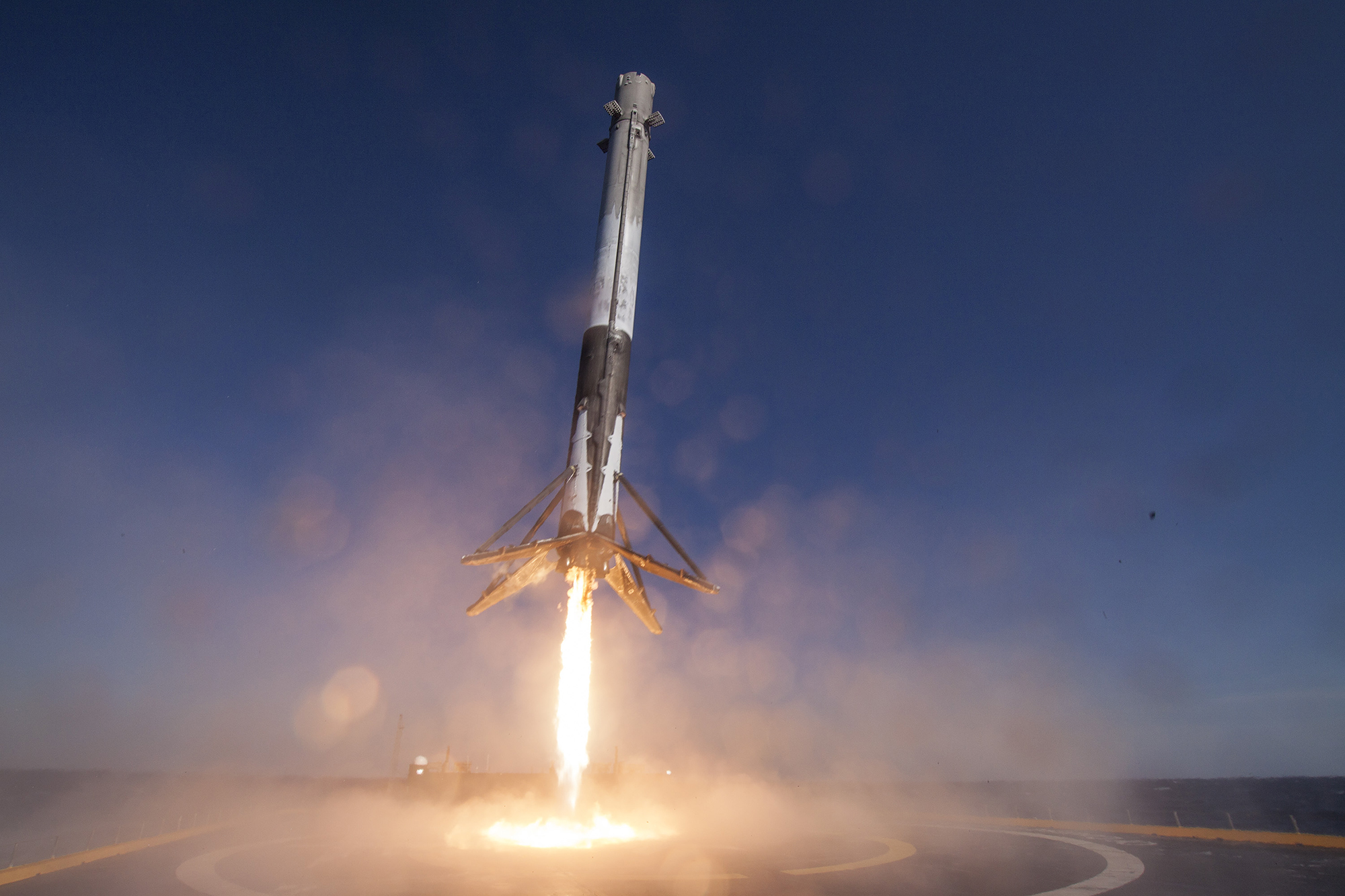
SpaceX successfully lands a rocket booster for the first time. SpaceX had already completed numerous rocket launches by this time. But a key part of its business plan was to introduce reusable rockets that can land on earth or at sea, significantly reducing the cost of future flights.
2020
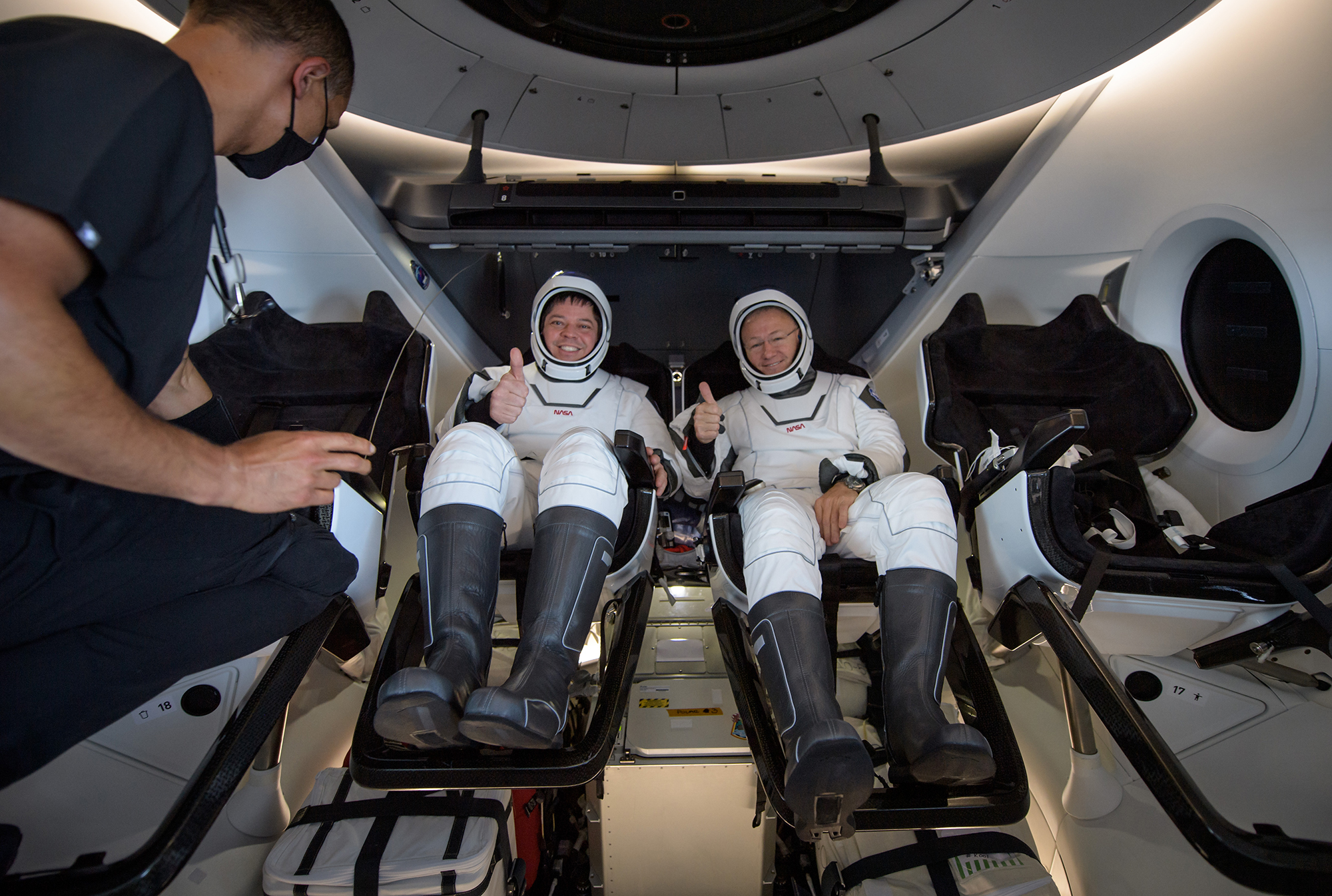
SpaceX launches its first crewed mission. After years of delivering satellites to orbit and supplies to the ISS, the company ferried NASA astronauts Robert Behnken and Douglas Hurley to the station.
2023
Musk announces he has created a new artificial intelligence company, xAI. In February 2026, he merged xAI into SpaceX, ahead of the latter’s planned initial public offering.


Không có nhận xét nào:
Đăng nhận xét